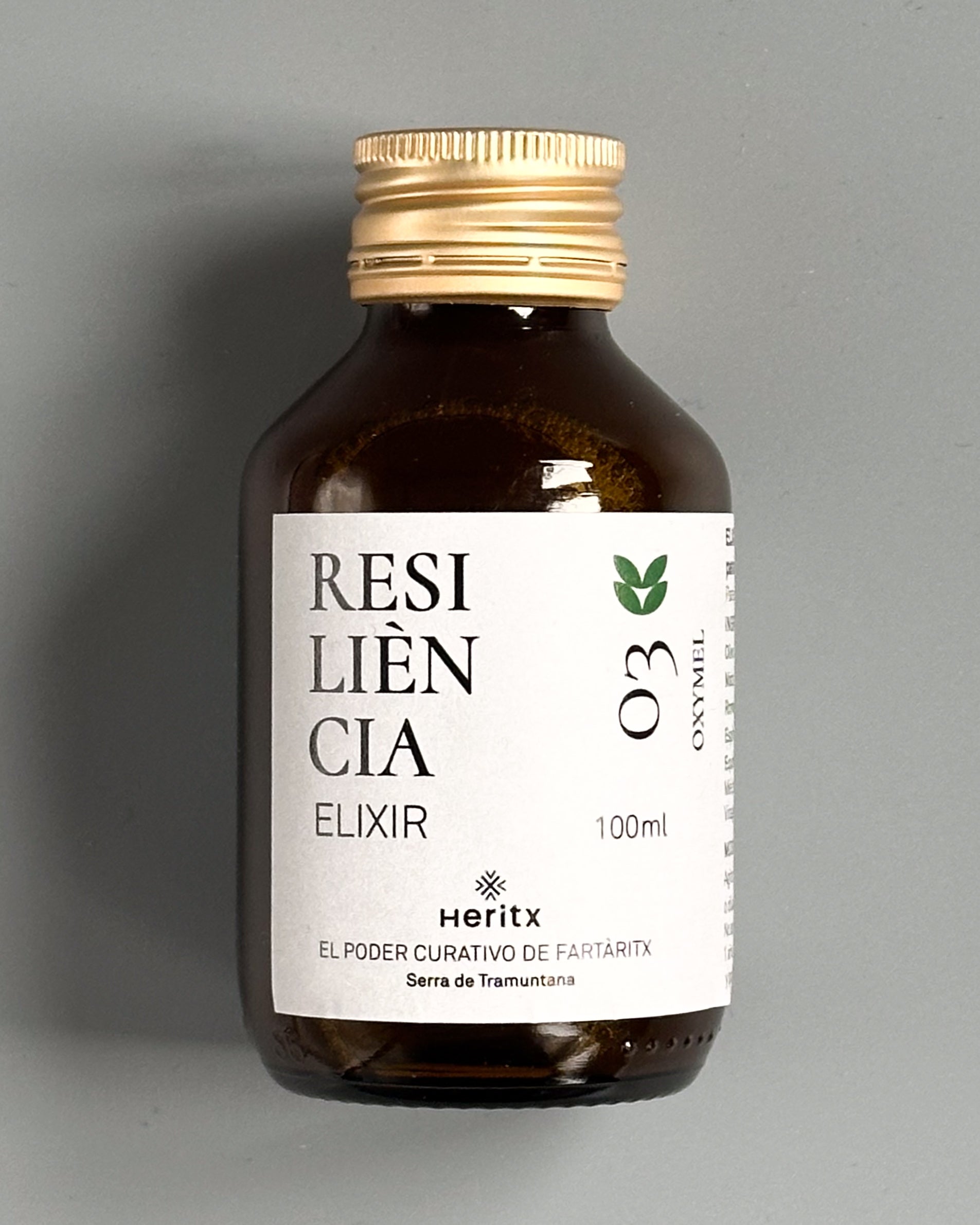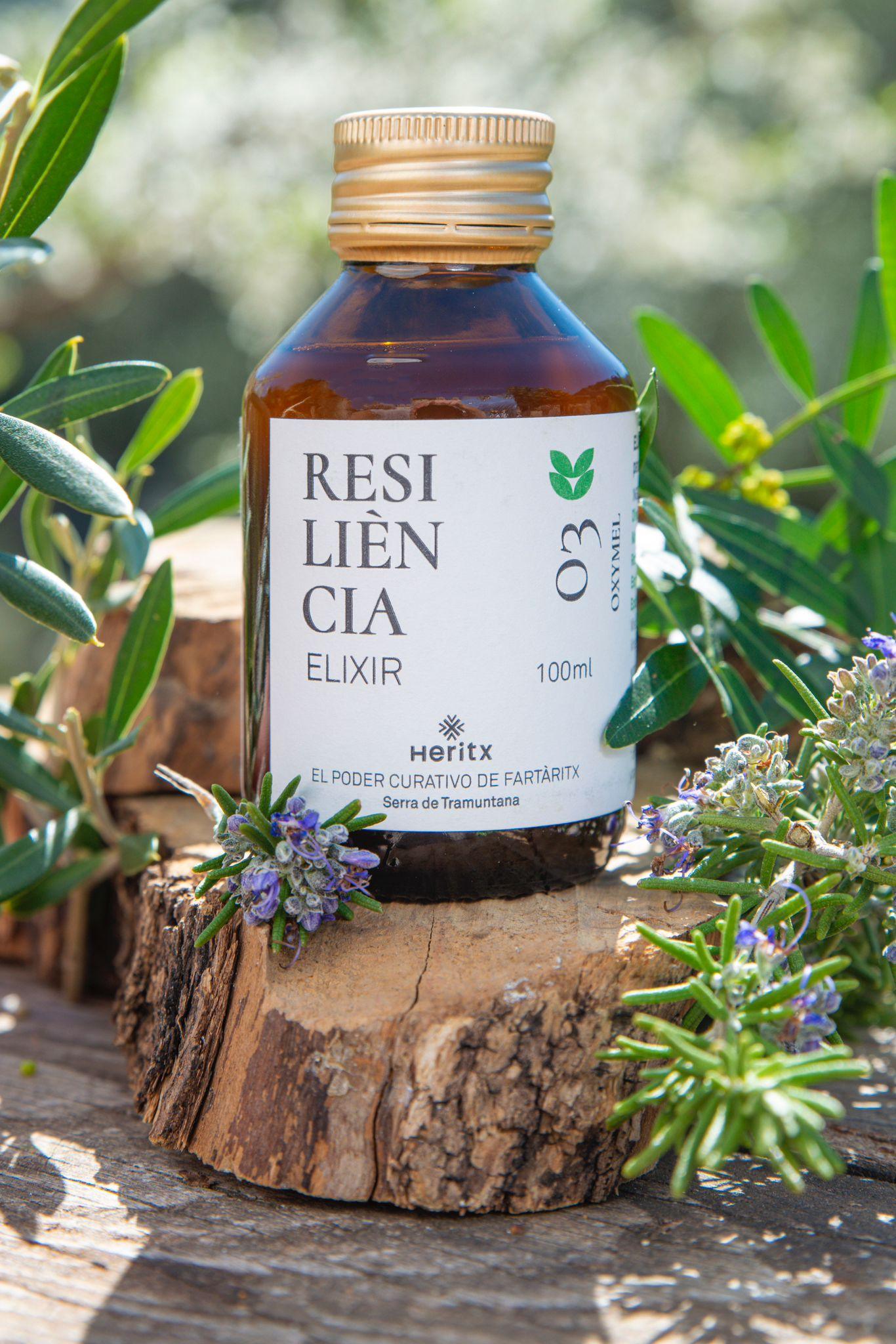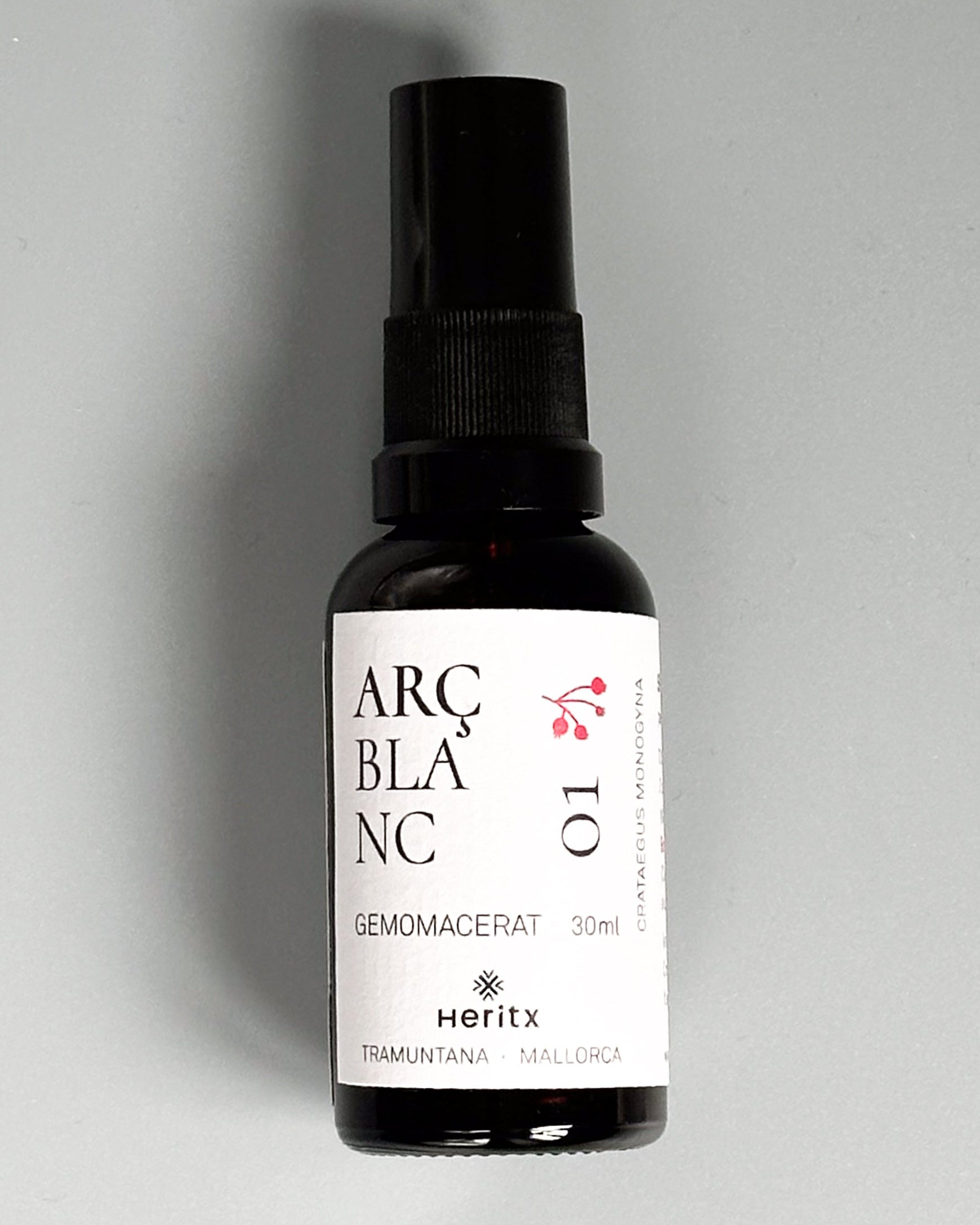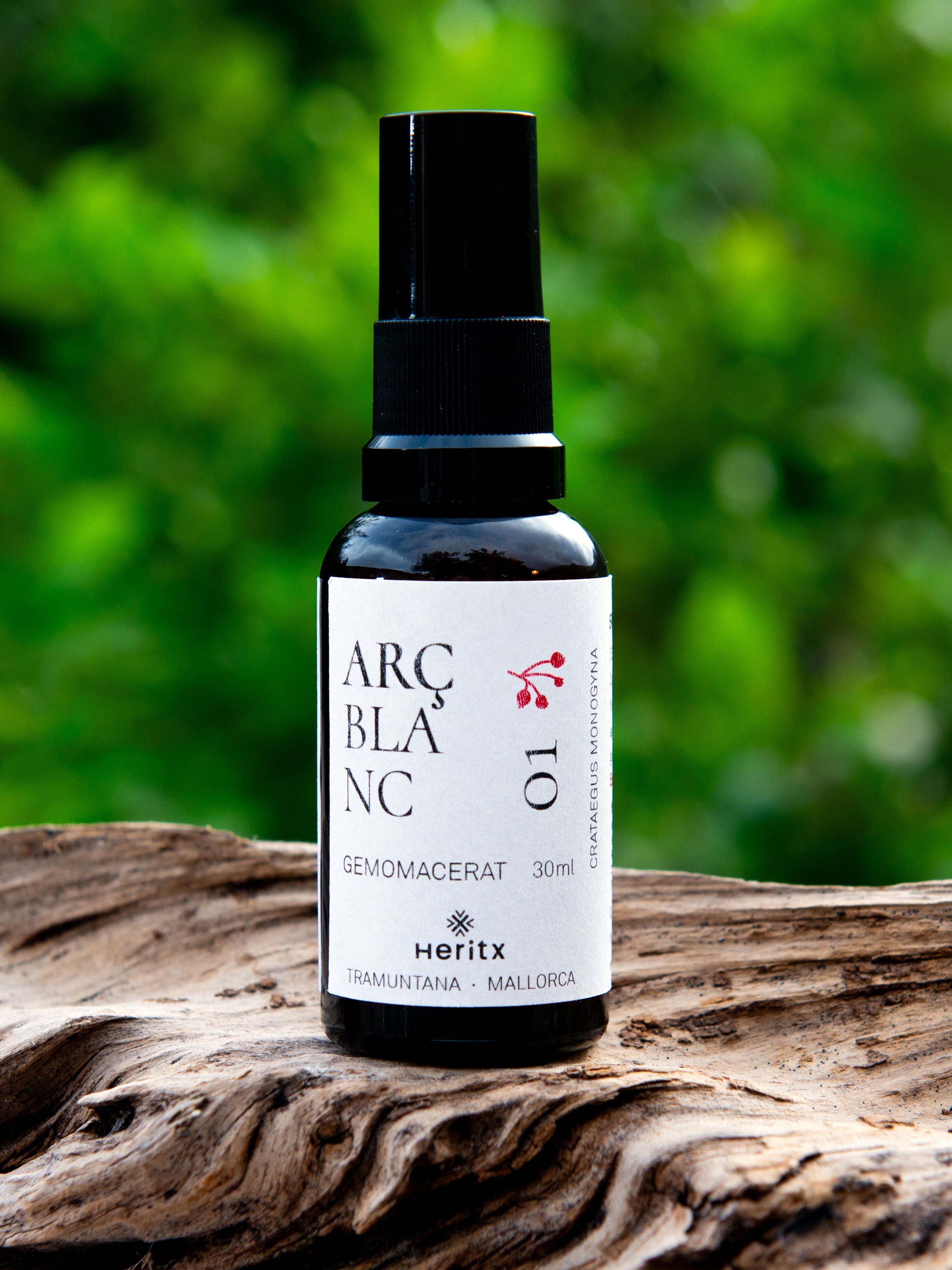
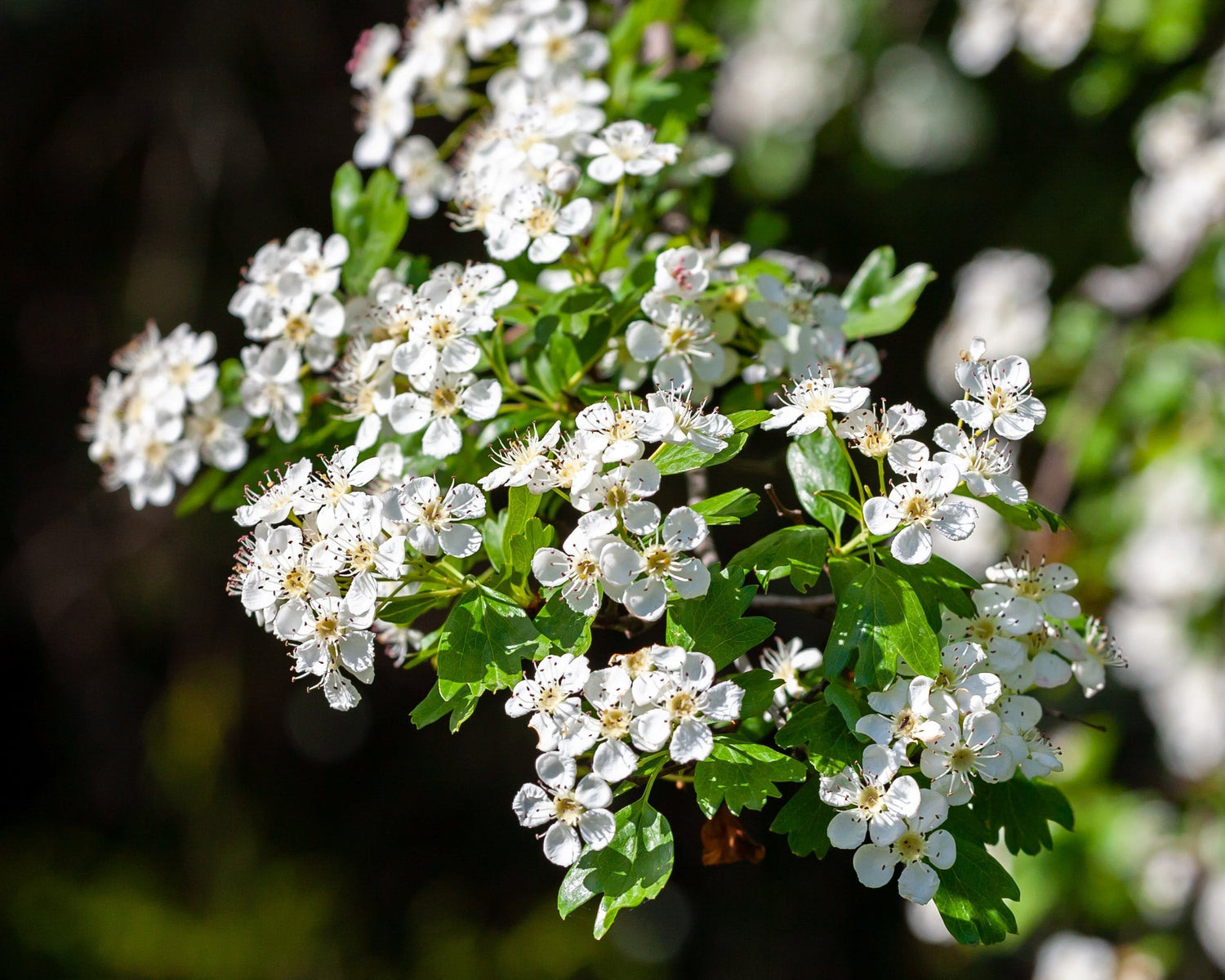
In wild hedgerow landscapes and on the edges of ancient forests stands an inconspicuous but powerful guardian: the hawthorn (Crataegus). With its delicate white flowers in spring, which cover the branches like snowflakes, and its bright red berries in autumn, it is a symbol of the eternal cycle of nature. But behind its thorny facade lies one of the oldest and most powerful medicinal plants known to mankind – a tree that heals hearts and comforts souls.
A tree of myths and legends
The hawthorn is deeply rooted in the European soul. It can reach a biblical age of up to 500 years and has accumulated countless stories over the centuries. For the Celts, it was a sacred tree, a gateway to the otherworld, which could not be felled without careful consideration.
Folklore tells that the great wizard Merlin fell into an eternal sleep under a hawthorn tree, enchanted by the fairy Viviane. Perhaps it is this mystical aura that earned the hawthorn its reputation as a protector. Wanderers used its hard wood as a staff to protect themselves on their travels, and even bishops had their staffs made from it – as a symbol of spiritual guidance and protection.
Ancient knowledge from the Far East and the New World
Long before modern science studied hawthorn, healers around the world knew about its power. It has been used in traditional Chinese medicine for thousands of years. The indigenous peoples of North America also valued it as a "panacea" for general strengthening. They intuitively recognized what we know today: hawthorn restores the flow of life energy.
The modern heart opener
In modern herbal medicine, hawthorn is considered the plant for the heart—both physically and emotionally. It is unique in its ability to both strengthen and calm the heart.
- For the body: It supports blood circulation in the coronary arteries, gently regulates blood pressure, and harmonizes the heart's rhythm.
- For the soul: Hawthorn is often referred to as the "plant of the open heart." It has a comforting effect in times of grief, relieves nervous tension, and restores our confidence when we feel vulnerable.