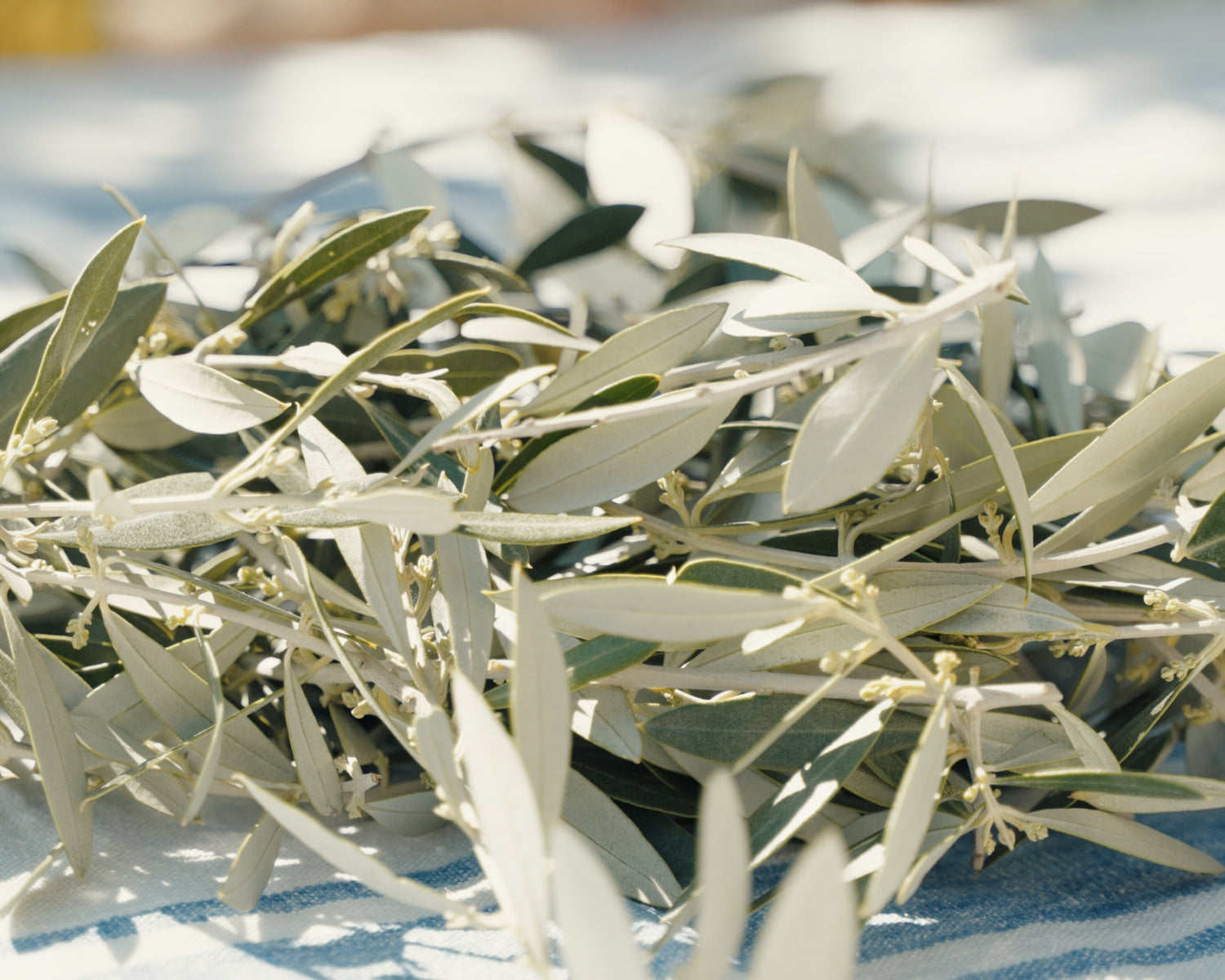
Everyone knows about liquid gold—olive oil. But the tree's true treasure is often hidden in the shade: in its silvery, shimmering leaves.
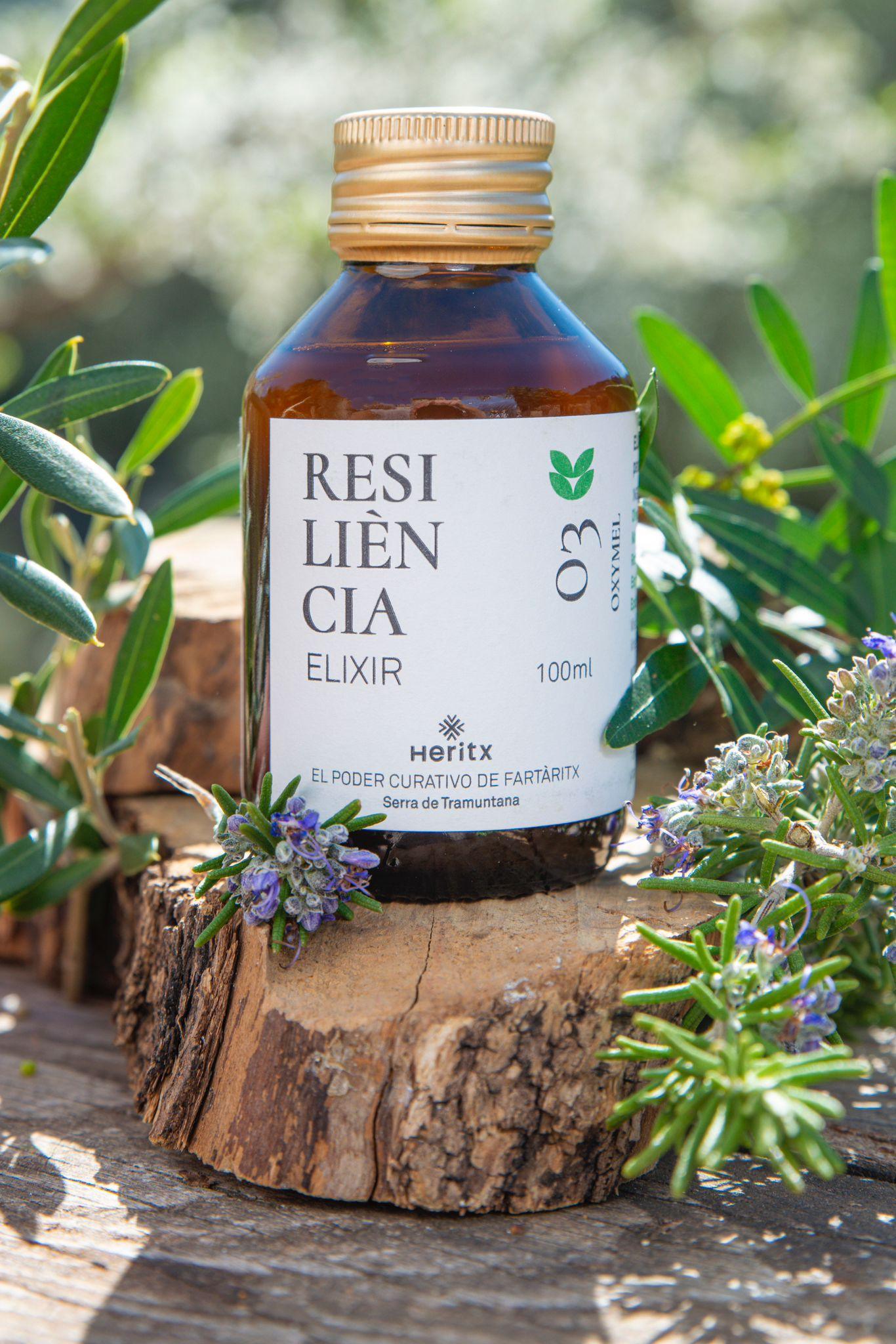
If you look out over the rocky slopes of Fartàritx, you will see them everywhere: gnarled olive trees (Olea europaea) that have been braving the wind, sun, and drought for centuries. It is precisely this resilience that makes their leaves so precious. In order to survive in the harsh natural environment, the tree produces highly effective protective substances – and it is precisely this power that we harness.
The secret of oleuropein
While olives and olive oil are in the culinary spotlight, the leaves are actually the tree's "medicine cabinet." They contain an extremely high concentration of oleuropein, the bitter substance that protects the tree from pests, bacteria, and fungi.
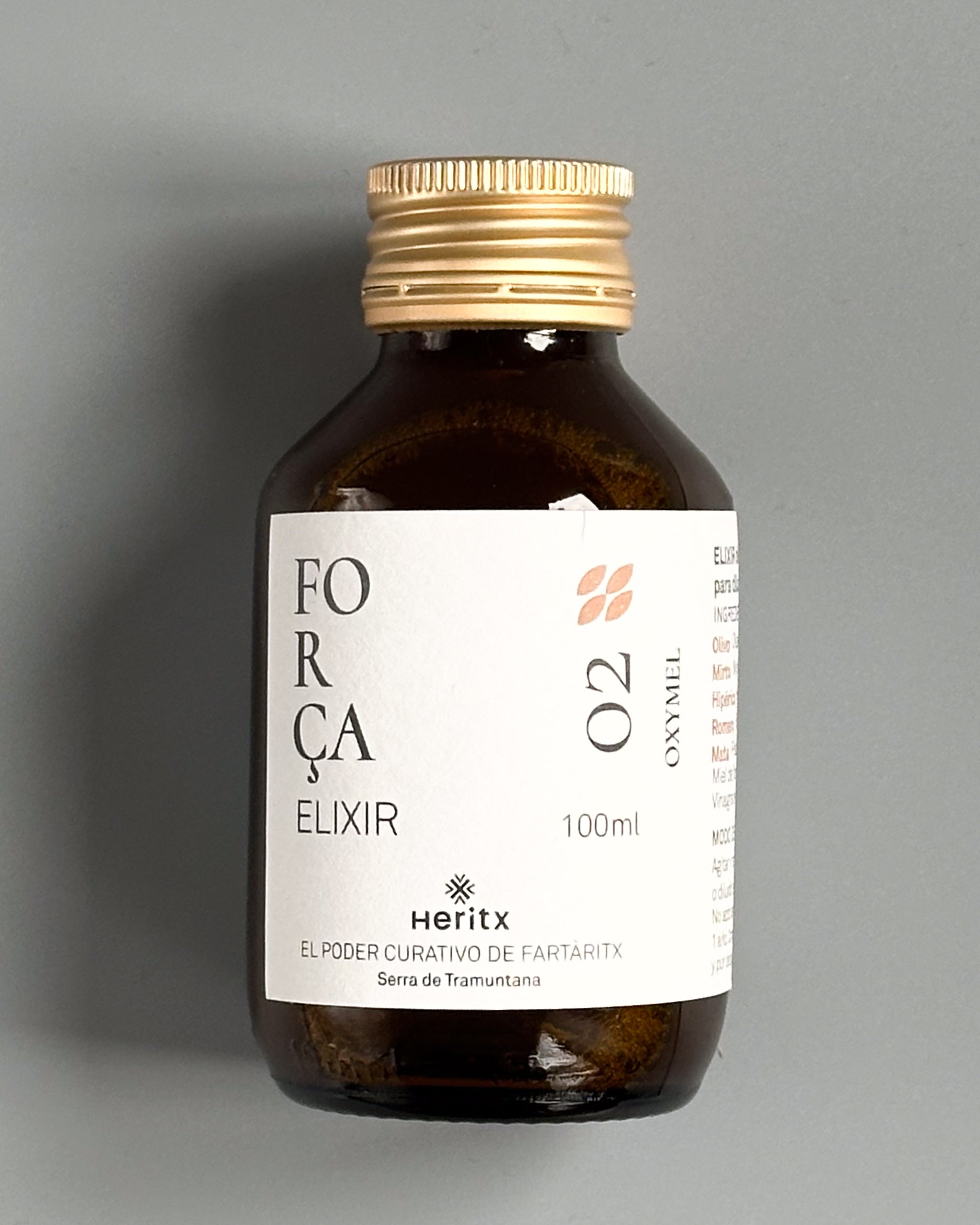
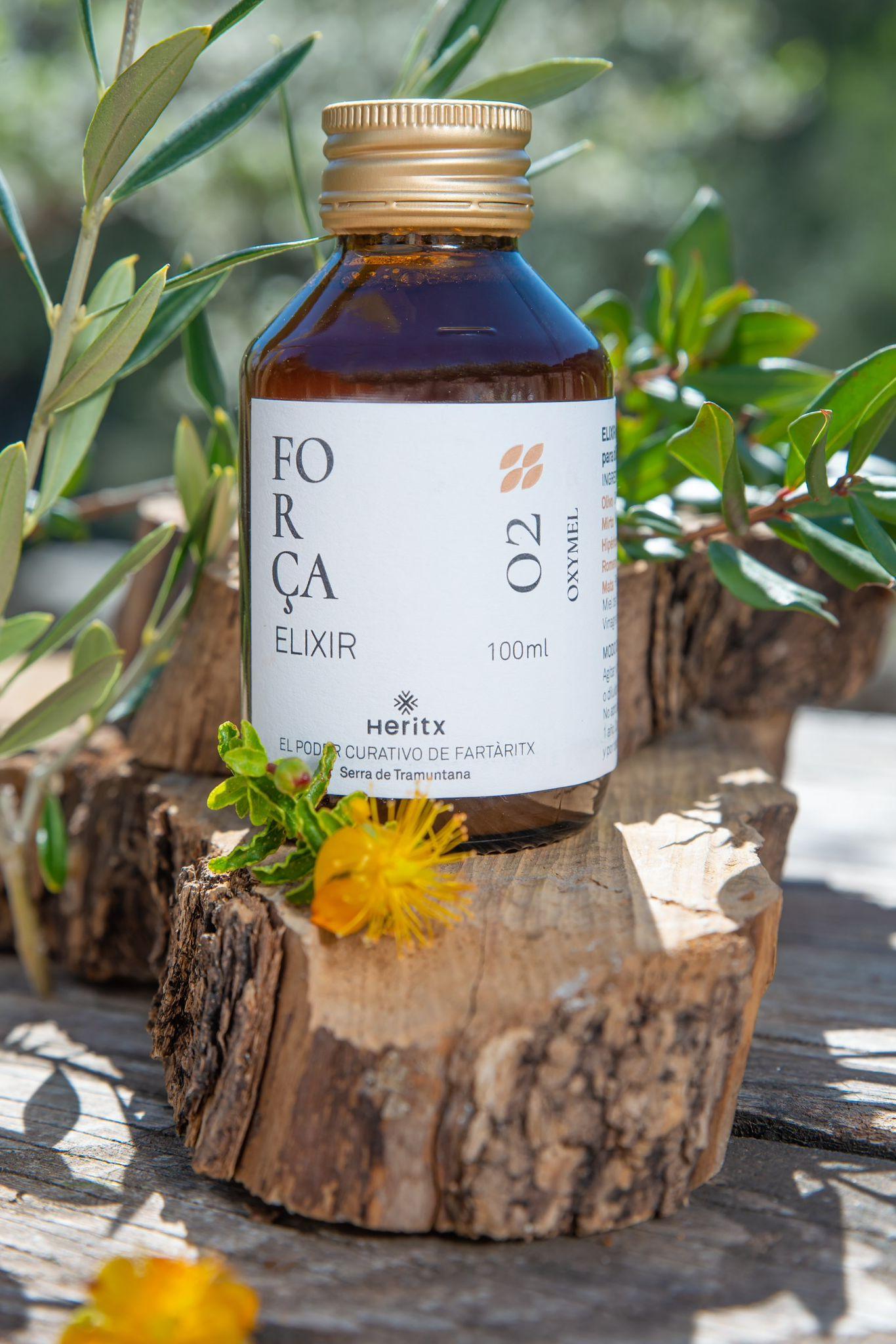
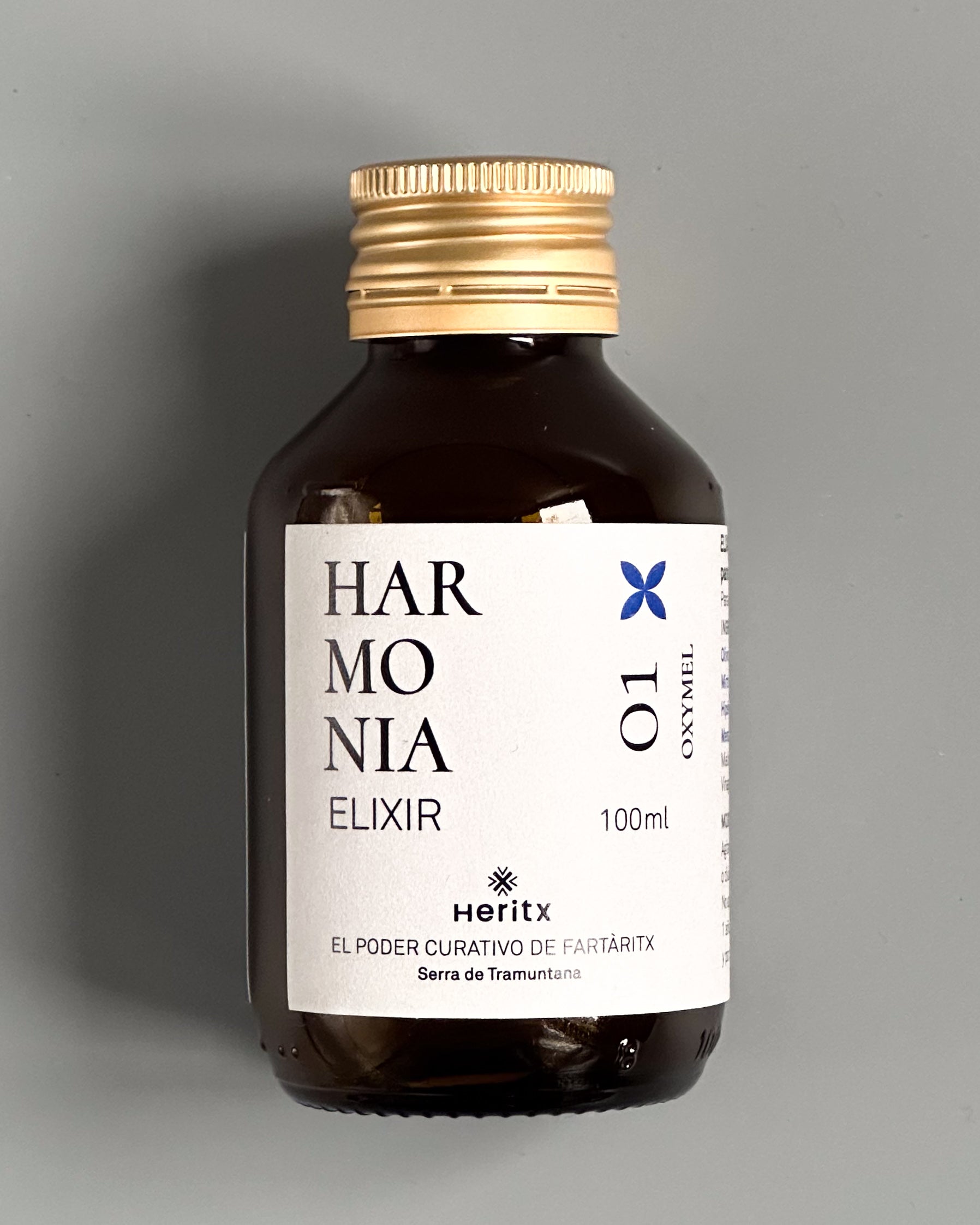
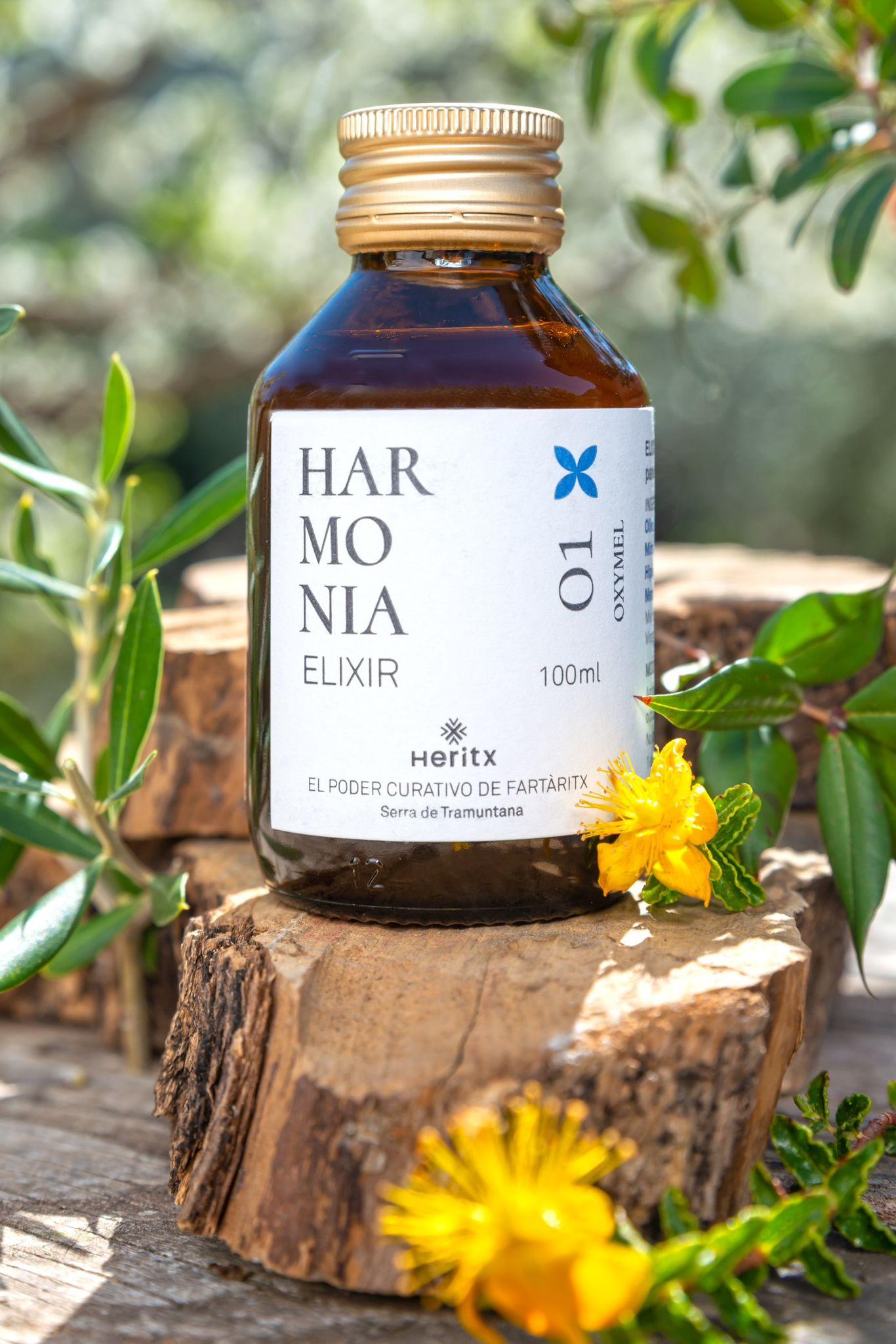
We harness this power in our elixirs and extracts. Oleuropein is considered one of the most powerful natural antioxidants. Together with hydroxytyrosol and oleocanthal, it forms a synergy that helps the body defend itself against oxidative stress—the very processes that cause us to "rust" and age.
A protective shield for the body
In traditional folk medicine in Mallorca and throughout the Mediterranean region, olive leaf tea or extract is not drunk for its taste, but for its effects.
- For the immune system: Its antiviral and antimicrobial properties make the leaf the perfect companion during the cold season. It acts as a natural protective shield.
- For heart and circulation: Oleuropein is known to gently promote blood circulation. It can help maintain balanced blood pressure, contributes to healthy cholesterol levels, and keeps blood vessels supple.
- Balance: It has a balancing effect on blood sugar levels and helps the body remain calm and stable.
A journey through time: From pharaohs and gods
The advanced civilizations of antiquity already knew that the olive tree was more than just a source of lamp oil.
- Egypt: For the ancient Egyptians, the olive branch was a symbol of immortality. They even used the leaves in the embalming of pharaohs to preserve them for eternity.
- Greece: According to legend, the goddess Athena gave the city of Athens its first olive tree. It stood for wisdom and peace. The winners of the Olympic Games were honored not with gold, but with a wreath of olive branches—the highest symbol of vitality.
- Rome: The Romans used olive leaves for specific medicinal purposes, such as to reduce fever or protect themselves from diseases like malaria.
The basis of our products
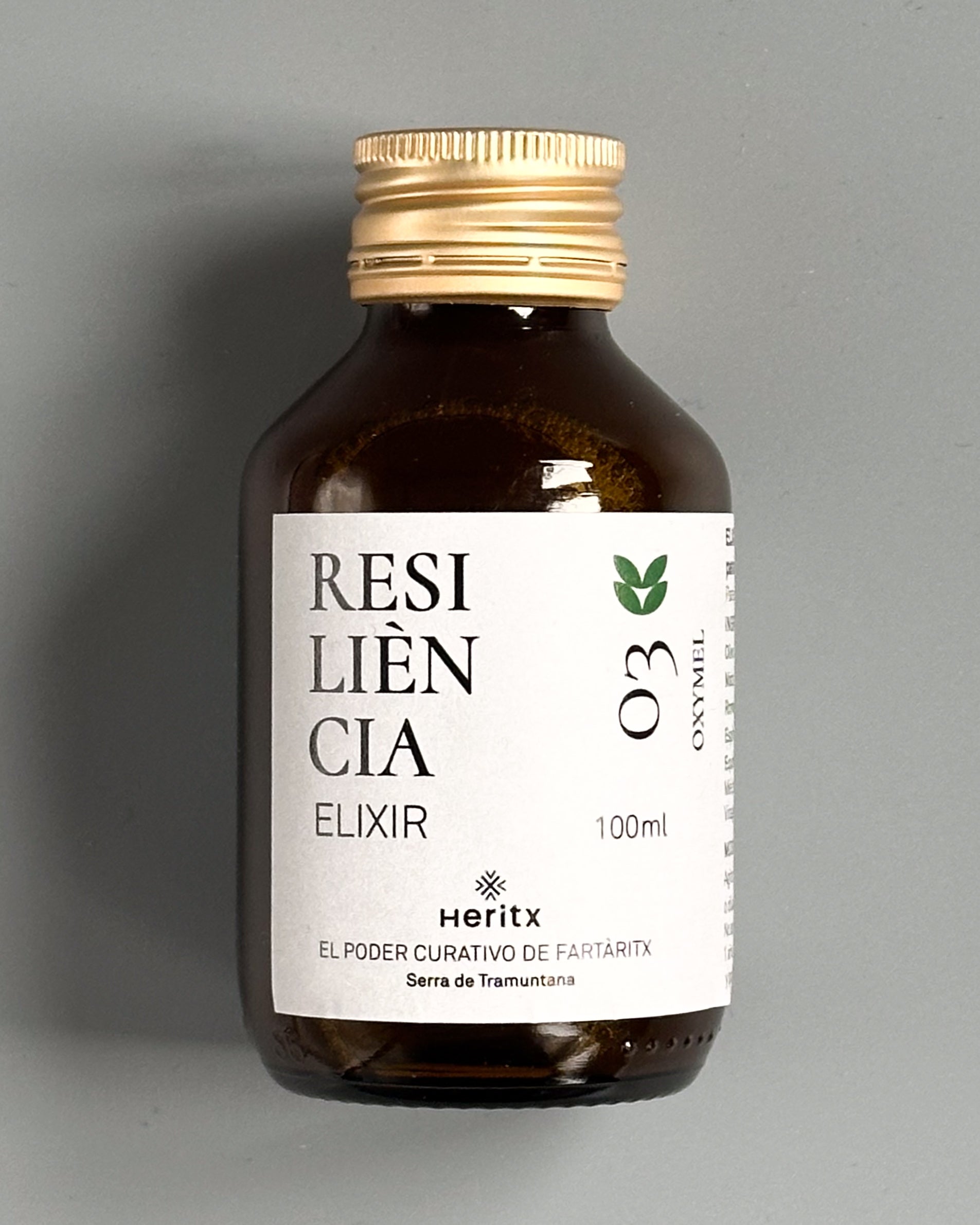
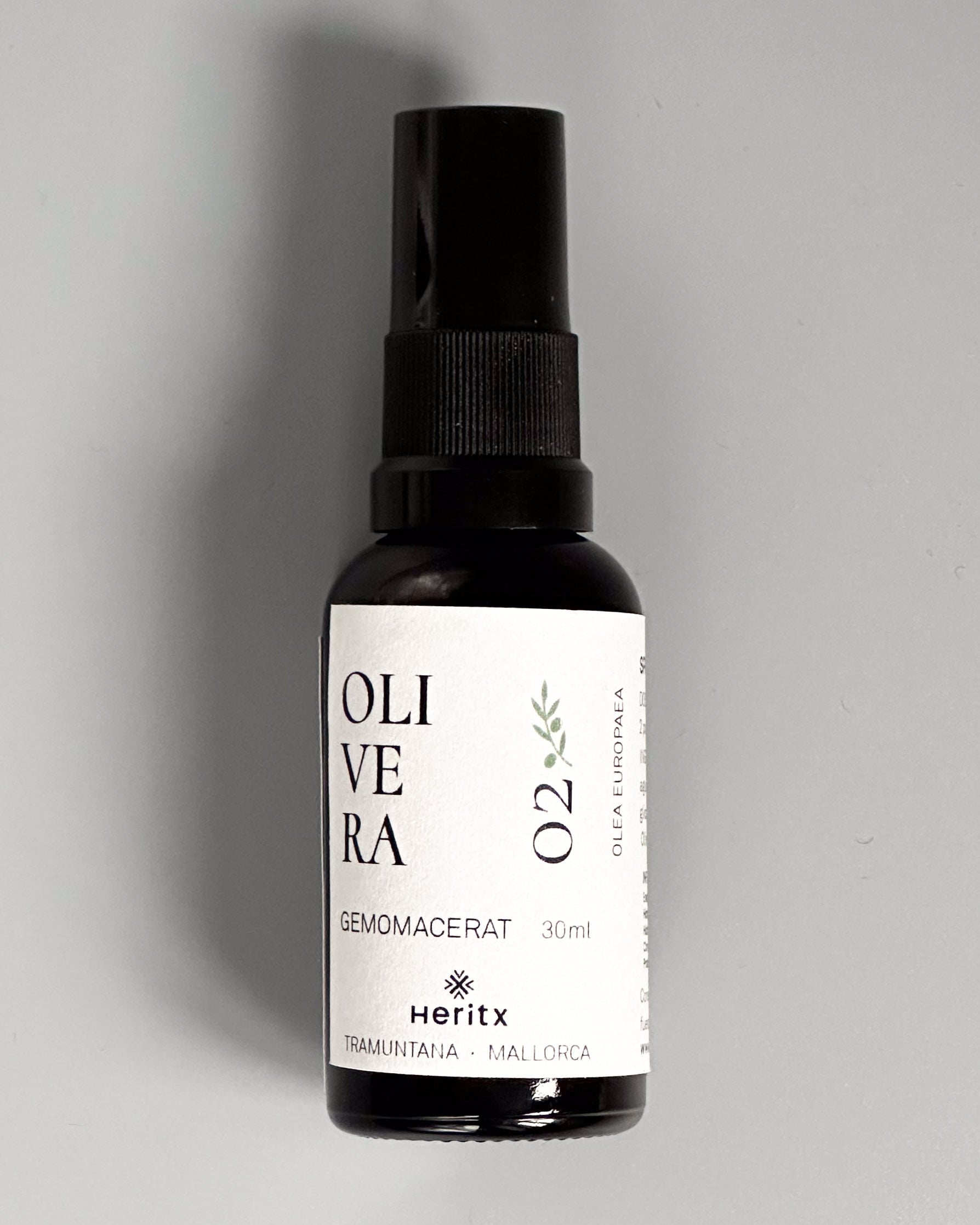
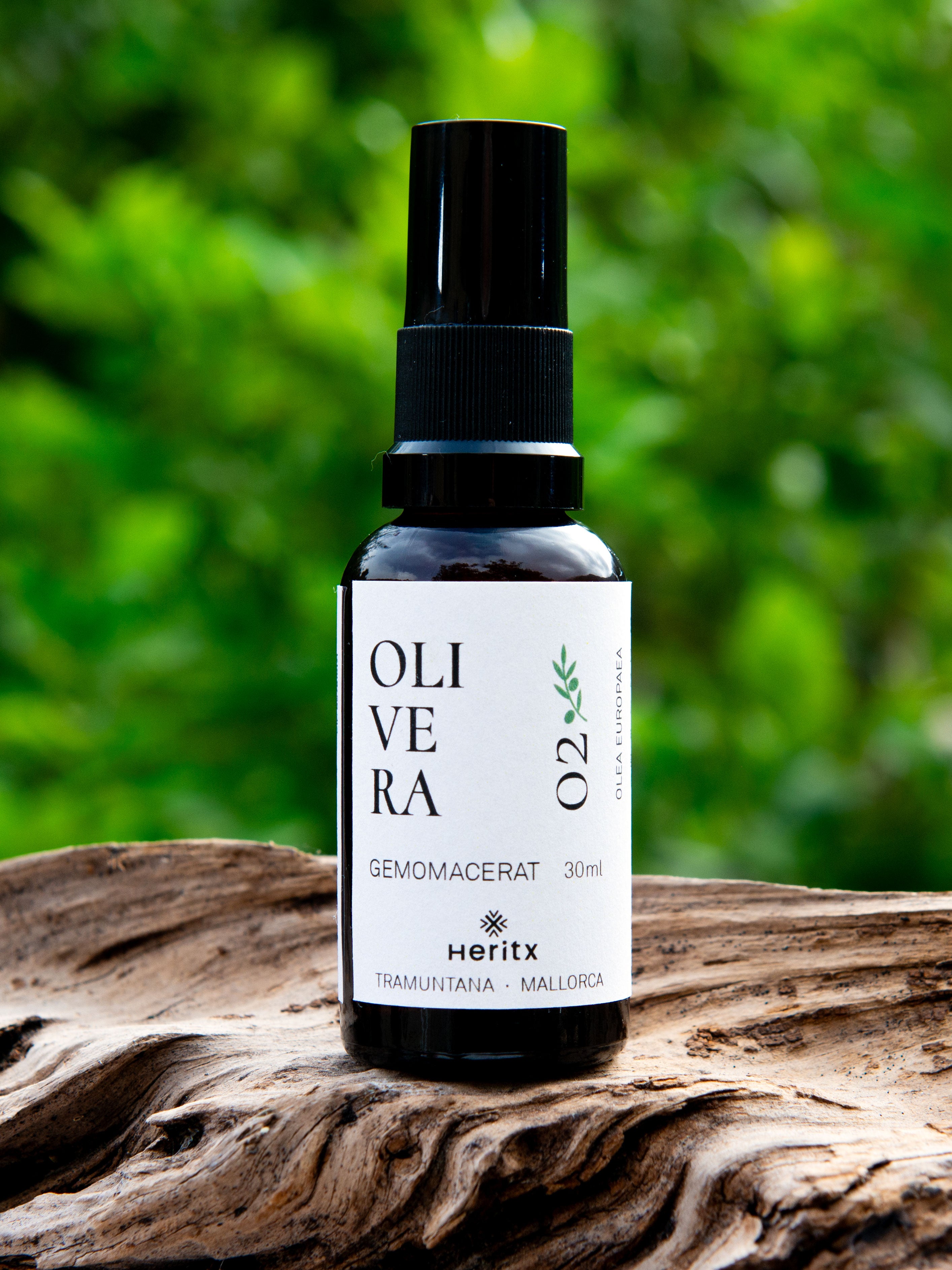
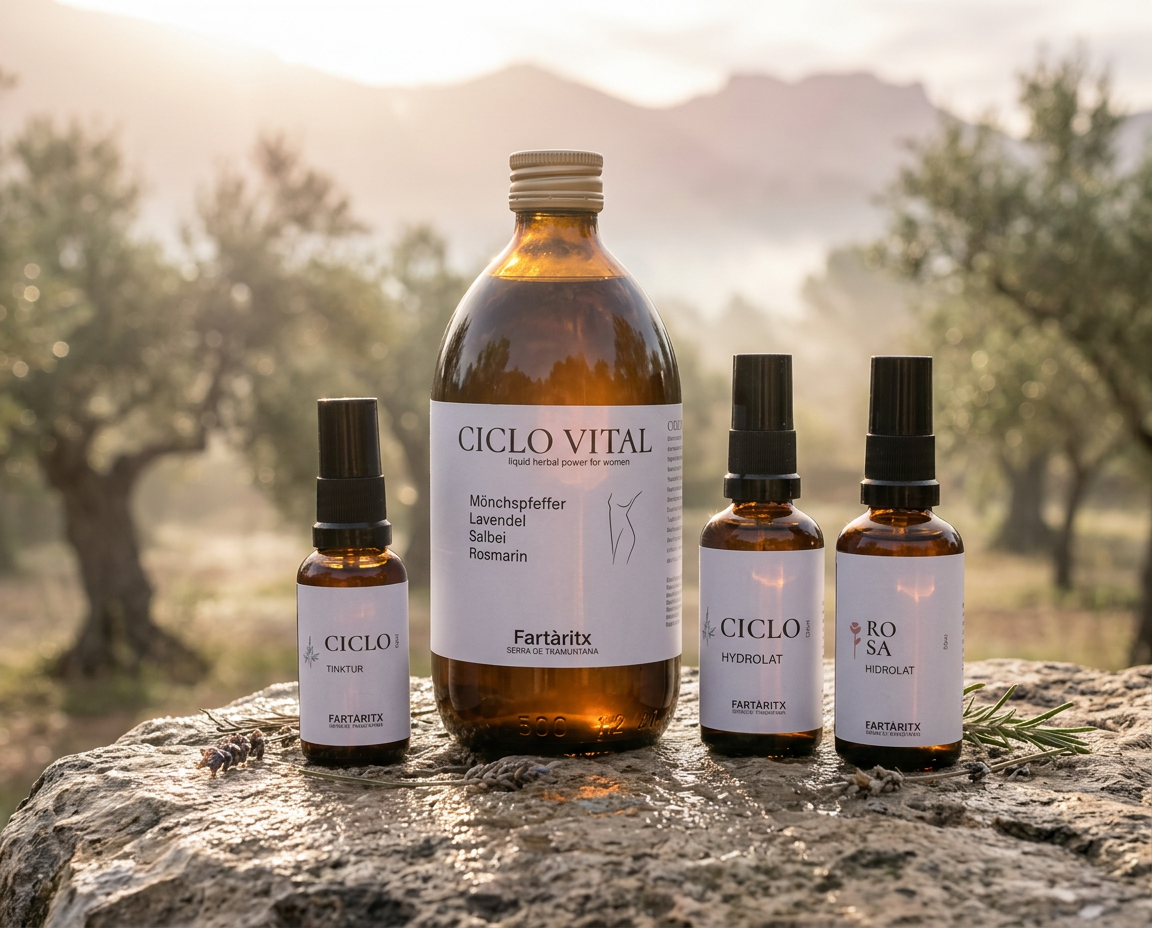
At Fartàritx, the olive leaf is not just an ingredient, it is the foundation. Our trees are not watered or fertilized. They have to fight. As a result, their leaves develop a density of active ingredients that cannot be found in plantation trees.
When you use our products, you absorb this ancient resilience. It is the essence of survival, captured in a leaf.