

We often only look at the fruit or the golden oil, but the true soul of the olive tree is hidden in its leaves. Did you know that these inconspicuous, silvery leaves have healing powers that far exceed those of the olive?
The guardian of the tree: oleuropein
Why do olive trees live for hundreds, even thousands of years? Their secret is oleuropein. This bitter substance serves as a highly effective shield for the tree against bacteria, insects, and environmental influences. It is the reason for the legendary resilience of these plants.
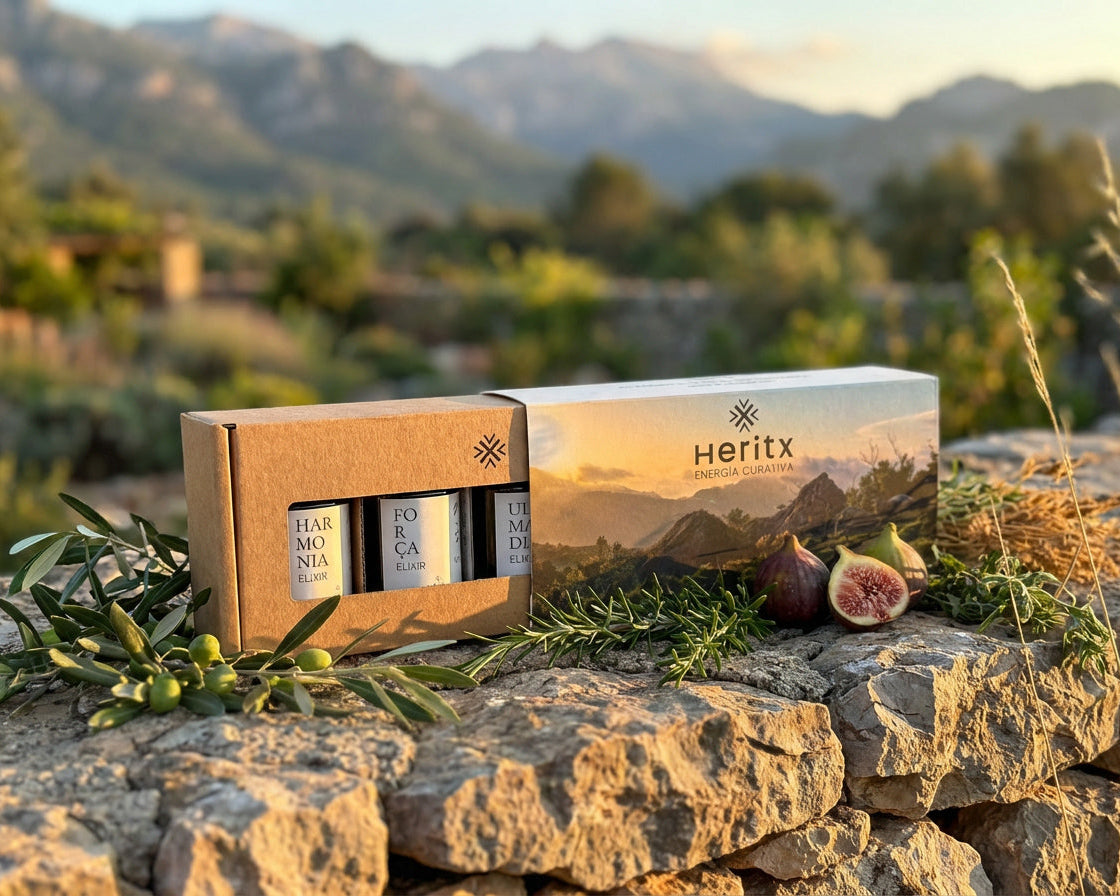
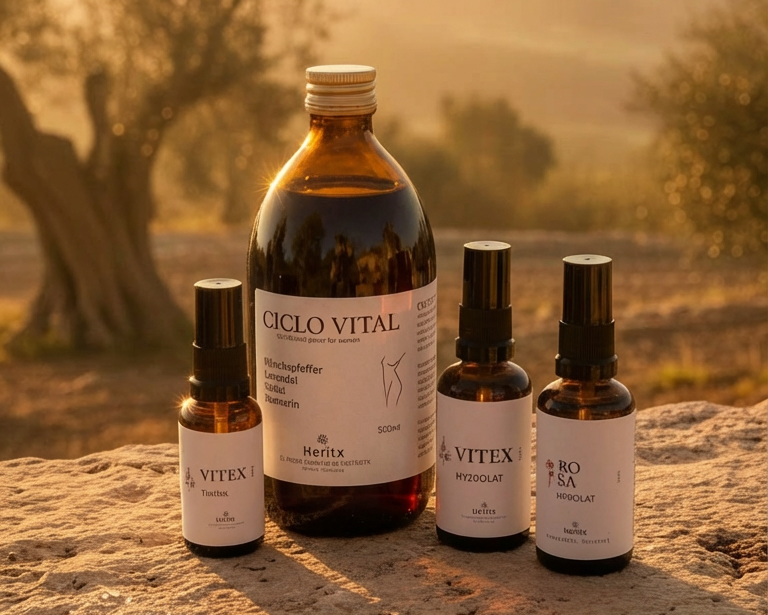
While oleuropein is also found in oil, its concentration in leaves is incomparably higher. French researchers identified it as one of nature's most potent "radical scavengers." We capture precisely this protective energy and make it available to you in our elixirs.
Roots in eternity: The story
The olive tree is more than just a plant—it is a witness to history. Its history as a cultivated plant dates back to 4000 BC in Crete and Syria.
We can also feel this breath of history at Fartàritx. Olive trees estimated to be over 1,000 years old grow on the slopes of our finca. They were probably planted in the 9th century by the Moors who once cultivated this land. They are living monuments that have seen empires come and go, yet have always remained.
A gift from the gods: the myth
The significance of the olive tree is deeply rooted in our culture. The most beautiful legend comes from ancient Greece:
When Poseidon (god of the seas) and Athena (goddess of wisdom) fought over who should rule Attica, Zeus decided that whoever gave the people the most valuable gift would win.
Poseidon struck his trident into the rock of the Acropolis and caused a spring to gush forth—but it was only salt water. Athena, on the other hand, struck her spear into the ground, and from it grew the first olive tree. It provided people with food, oil, wood, and shade. The people chose life and wisdom. Athena won, and the city was named after her: Athens.
The Romans also believed that the olive tree had divine origins. Romulus and Remus, the founders of Rome, are said to have been born under an olive tree. To this day, it is traditional to give newlyweds an olive tree sapling as a symbol of the tree's vitality and endurance, which may be transferred to their union.
The inner protective shield: The effect
In modern naturopathy, olive leaves are considered a powerful all-rounder for health. The oleuropein they contain acts as an internal protective shield:
- Immune system & defenses: It has strong antioxidant, antiviral, and anti-inflammatory properties.
- Heart & circulation: It supports the natural regulation of blood pressure, promotes blood flow, and nourishes the blood vessels.
- Balance: It is valued for its balancing effect on blood sugar and cholesterol levels.
The wild spirit of Fartàritx
Up here in the Tramuntana mountains, nature is still unspoiled. Forests of wild olive trees (Acebuche) characterize our rugged landscape. These wild relatives of the cultivated olive are smaller, but even more concentrated in their effect.
It is precisely this untamed energy of wild olive leaves that forms the basis of all our elixirs. It is the essence of Fartàritx—ancient, resilient, and full of life.

